


How to Choose the Best Weighted Blanket for Better Sleep?
The best weighted blanket weighs about 10% of your body weight and helps you sleep better by providing gentle, even pressure over your body. This pressure helps to calm your nervous system, potentially reducing anxiety and improving sleep quality.
What is a weighted blanket?
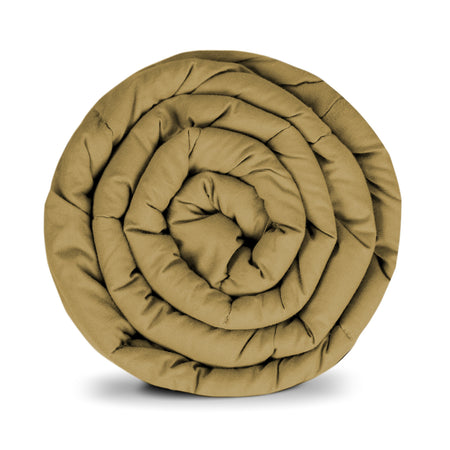
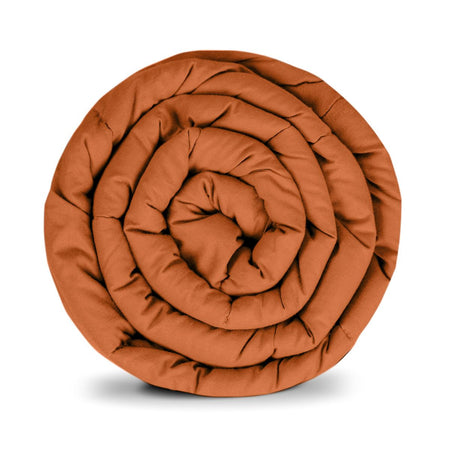
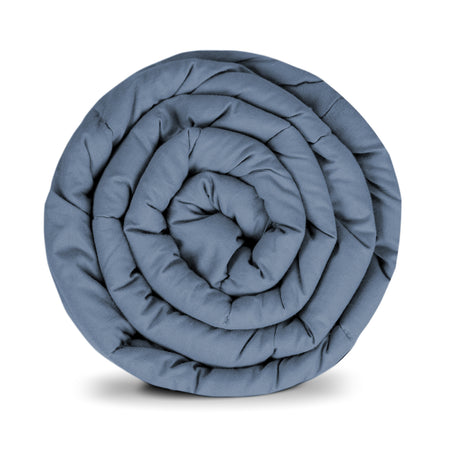
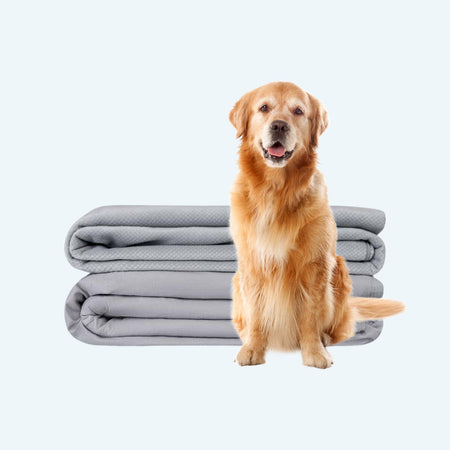
A weighted blanket is a heavy blanket filled with small weighted materials. These materials can consist of glass beads, plastic pellets, or metal chains.
The blanket typically weighs between 2 and 14 kilograms. On the outside, it looks like a regular blanket, but it feels much heavier. The weight is evenly distributed over your body when you sleep under it.
Most weighted blankets have small pockets or compartments that are sewn in. These keep the weight in place and prevent it from bunching up in one spot.
How does a weighted blanket work?
A weighted blanket works through something called Deep Pressure Stimulation. This is a gentle, firm pressure on the body.
The pressure feels like a hug or being held. This activates the nervous system in a calming way.
Research shows that this pressure can help to:
- Increase melatonin production (the sleep hormone)
- Lower cortisol (the stress hormone)
- Increase serotonin and dopamine (feel-good hormones)
Research published in the Journal of Clinical Sleep Medicine shows that people who use weighted blankets fall asleep faster, wake up less often during the night, and feel calmer during the day.
Who can use a weighted blanket?
Weighted blankets work well for:
- Adults with insomnia or sleep problems
- People with anxiety or stress
- Adults with ADHD and sleep problems
- People with depression or bipolar disorder
- Anyone who feels restless at night
A 2020 Swedish study, published in the Journal of Clinical Sleep Medicine, found that participants who used weighted blankets were almost 26 times more likely to reduce their insomnia by 50% or more compared to people who used light blankets. The same study showed that 72% of participants slept better through the night.
Who should NOT use a weighted blanket?
Do not use a weighted blanket if you:
- Are younger than 3 years old
- Weigh less than 23 kilograms (50 lbs)
- Have asthma or breathing problems
- Have sleep apnea
- Have low blood pressure
- Have circulation problems
- Have type 2 diabetes
- Cannot remove the blanket independently
Never use a weighted blanket for babies or toddlers younger than 3 years old. The American Academy of Pediatrics (AAP) warns that even light weights can restrict the breathing or movement of young children. This is an important safety rule.
What weight should you choose?
Use this simple rule: choose a blanket that weighs about 10% of your body weight.
For adults:
- 68 kg body weight = 7 kg blanket (150 lbs = 15 lbs blanket)
- 90 kg body weight = 9 kg blanket (200 lbs = 20 lbs blanket)
- 45 kg body weight = 4.5 kg blanket (100 lbs = 10 lbs blanket)
For children (3 years and older):
Take 10% of the body weight and add 0.5 to 1 kilogram (1-2 lbs).
Example: a child weighing 27 kg (60 lbs) uses a blanket of about 3 to 4 kg (7-9 lbs).
You can opt for a lighter blanket (5-8% of your body weight) if:
- You are trying a weighted blanket for the first time
- You feel claustrophobic easily
- You are an older adult
You can choose a slightly heavier one (12-15% of your body weight) if:
- You move a lot during sleep
- You experience a lot of stress or anxiety
- You prefer more pressure
Never exceed 15% of your body weight. A blanket that is too heavy can be uncomfortable or unsafe.
What size should you buy?
The blanket should fit your body, not your bed.
Do not buy a blanket that hangs over the sides of the bed. The extra weight can pull the blanket off your body during sleep.
Common sizes:
- Single/Twin: for one person
- Queen/King: for shared use or more coverage
Measure from your shoulders to your feet. The blanket should comfortably cover this area.
Are weighted blankets safe?
Weighted blankets are safe for most healthy adults when used correctly.
You do not need a prescription, and no special permit is required.
Safety rules:
- You must be able to remove the blanket yourself
- The blanket should not cover your face or head
- Breathing must not be restricted
- You must be able to move and turn
Age limits:
- Not safe for children under 3 years old
- Safe for children 3 years and older who weigh more than 23 kg (50 lbs)
- Children should be supervised during initial use
- Children must be able to remove the blanket independently
The American Academy of Pediatrics clearly states that weighted products should not be used with sleeping babies due to the risk of suffocation.
People with respiratory problems or sleep apnea should consult a doctor before using a weighted blanket.
Product safety
There is no mandatory safety testing for weighted blankets. However, good quality blankets should:
- Use non-toxic materials
- Have strong stitching so the filling does not escape
- Distribute the weight evenly
What materials are best?
Filling materials:
- Glass beads: thin, quiet, and cool
- Plastic pellets: durable and affordable
- Metal chains: used in some medical applications
Outer materials:
- Cotton: breathable and washable
- Bamboo: cool and environmentally friendly
- Minky fabric: soft and warm
Choose breathable materials if you tend to get warm quickly during sleep. Cotton and bamboo are good choices.
Does research support weighted blankets?
Yes. Several scientific studies demonstrate benefits for sleep and anxiety reduction.
Key research findings:
A 2020 study in the Journal of Clinical Sleep Medicine tested 120 adults with insomnia and psychiatric disorders. The results showed:
- Participants were 26 times more likely to reduce insomnia by 50% or more
- 72% experienced better sleep quality
- Fatigue, depression, and anxiety decreased
- Benefits remained visible during a 12-month follow-up
A 2022 study in the Journal of Sleep Research found that using a weighted blanket increased melatonin levels by 32% in the hour before sleep compared to a light blanket.
A 2024 Chinese study on adults with insomnia showed improvements in sleep quality and daily symptoms after one month of weighted blanket use.
A 2024 systematic review of nine studies with 553 participants concluded that weighted blankets reduced insomnia and improved total sleep time.
Limitations of research:
- Many studies have fewer than 200 participants
- More long-term research is needed
- Results vary per individual
- Many studies focus on people with medical conditions
What works for one person doesn't always work for another. Still, overall research indicates that weighted blankets can be helpful for many people.
How to Use a Weighted Blanket Safely?
Follow these steps:
- Start slowly and use the blanket for 20-30 minutes first while awake
- Gradually increase use to a full night
- Make sure you can easily remove the blanket
- Keep head and neck uncovered
- Stop using if it feels uncomfortable
For children:
- Supervise during first use
- Do not immediately use the blanket during daytime naps
- Remove the blanket if uncomfortable
- Never place the blanket over a child's face
Brief Summary
What is it?
- A heavy blanket filled with glass beads or plastic pellets
- Weighs between 2 and 14 kilograms (5-30 lbs)
- Applies gentle pressure to the body
How does it work?
- Creates Deep Pressure Stimulation
- Calms the nervous system
- Can aid in the production of sleep hormones
Who can use it?
- Adults with sleep problems or stress
- Children aged 3 and older who weigh more than 23 kg (50 lbs)
- People who can remove the blanket themselves
Who should avoid it?
- Children younger than 3 years old
- People with respiratory or heart problems
- People with sleep apnea or asthma
- Anyone who cannot remove the blanket independently
How to choose the right one?
- Choose about 10% of your body weight
- Choose breathable materials
- Make sure the blanket fits your body, not your bed
- Start lighter if in doubt
Safety
- Safe for most healthy adults
- No prescription needed
- You must be able to remove the blanket yourself
- Keep face and head clear
- Consult a doctor if you have medical conditions
For more information about weighted blankets, visit gravity-deken.nl